🚚 All Orders Shipped Via FedEx 2-Day Air (Overnight Option Available) • Same Day Shipping For Orders Placed Before 1PM PST Mon-Sat • Free Shipping On Orders Over $250 🚚 All Orders Shipped Via FedEx 2-Day Air (Overnight Option Available) • Same Day Shipping For Orders Placed Before 1PM PST Mon-Sat • Free Shipping On Orders Over $250 🚚 All Orders Shipped Via FedEx 2-Day Air (Overnight Option Available) • Same Day Shipping For Orders Placed Before 1PM PST Mon-Sat • Free Shipping On Orders Over $250 🚚 All Orders Shipped Via FedEx 2-Day Air (Overnight Option Available) • Same Day Shipping For Orders Placed Before 1PM PST Mon-Sat • Free Shipping On Orders Over $250

Popular

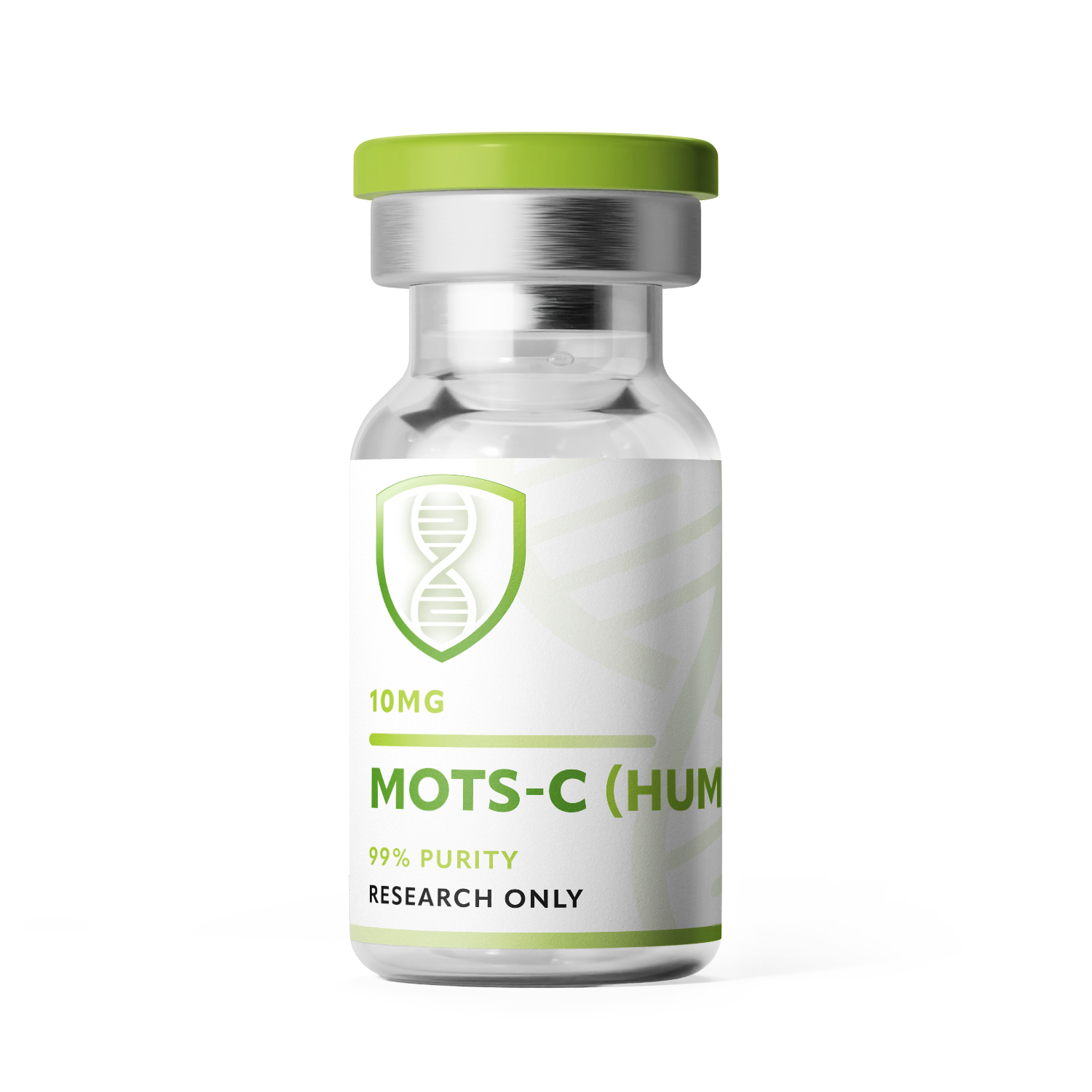
MOTS-C (Human) 10 mg

MOTS-c (Mitochondrial Open Reading Frame of the 12S rRNA type-c) is a 16-amino-acid peptide encoded by the human mitochondrial genome.

$64.99

10 in stock

10 in stock

Bulk Pricing – Save More

3
Buy 3 units 5% OFF
$61.74 each Total: $185.22 (Save $9.75)
5
Buy 5 units 10% OFF
$58.49 each Total: $292.46 (Save $32.50)
10
Buy 10 units 15% OFF
$55.24 each Total: $552.42 (Save $97.49)
MOTS-c (Mitochondrial Open Reading Frame of the 12S rRNA type-c) is a 16-amino-acid peptide encoded by the human mitochondrial genome. First identified in 2015, it belongs to a distinct group of mitochondrial-derived peptides (MDPs), which act as signaling molecules from mitochondria to the cell nucleus. Research indicates that MOTS-c participates in pathways associated with cellular energy balance and stress responses. The human peptide sequence (MRWQEMGYIFYPRKLR) is commonly referred to as MOTS-c Human and has been studied to understand metabolism, insulin-related pathways, and age-associated cellular processes. Unlike classical hormones, MOTS-c is synthesized in mitochondria, representing an alternative mechanism of intracellular communication.

Biological Origin and Expression

MOTS-c is translated from a short open reading frame (sORF) within the 12S rRNA region of human mitochondrial DNA, making it one of the few peptides produced directly from mitochondrial rather than nuclear DNA. Its expression is influenced by cellular energy requirements and stress conditions. Experimental studies show that MOTS-c is present in multiple tissues, including skeletal muscle, cardiac tissue, neural tissue, and plasma. Circulating levels increase transiently after physical activity. Tissue-specific patterns are observed, with higher levels in active muscle and lower levels in sedentary or older individuals. Endogenous MOTS-c decreases with age, reflecting changes in mitochondrial and metabolic function.

Mechanism of Action 

MOTS-c modulates cellular function primarily through the AMP-activated protein kinase (AMPK) pathway, a central regulator of energy homeostasis. Under metabolic stress, the peptide can translocate to the nucleus to regulate genes involved in glucose and lipid metabolism. Key actions include:
  • Activation of the folate-polyamine-AICAR pathway, triggering AMPK signaling independently of cellular energy depletion
  • Enhanced glucose uptake in skeletal muscle via GLUT4 translocation, resembling insulin-responsive metabolic pathways
  • Interaction with nuclear transcription factors to support antioxidant defense and control of inflammatory pathways
Through these mechanisms, MOTS-c functions as a mitochondria-to-nucleus messenger, facilitating cellular adaptation to energy demands and oxidative stress.

Areas of Scientific Research

MOTS-c is a mitochondria-derived peptide that has emerged as a significant focus of metabolic and cellular research. Identified as a signaling molecule encoded by mitochondrial DNA, it represents a distinct class of peptides involved in communication between mitochondria and the nucleus. Ongoing studies continue to explore its role in energy regulation, stress adaptation, and age-associated metabolic processes, positioning MOTS-c as an important subject in contemporary mitochondrial biology.

Metabolic Regulation and Insulin Sensitivity

MOTS-c has been studied in preclinical models of metabolic disorders, including obesity and type 2 diabetes. Research demonstrates that MOTS-c improves insulin sensitivity, reduces lipid accumulation, and enhances glucose utilization. Chronic exposure in these models produces metabolic adaptations resembling those observed under caloric restriction, including reduced body weight and improved metabolic markers, without changes in caloric intake.

Aging and Longevity

Endogenous MOTS-c levels decline with age, corresponding with alterations in mitochondrial activity and energy regulation. Preclinical studies suggest that higher MOTS-c signaling supports cellular stress resilience, modulates inflammation, and promotes mitochondrial maintenance. In animal models, MOTS-c has been investigated for its potential to mitigate age-related decline in muscle, neural, and other tissues.

Exercise Mimetic and Cellular Adaptation Effects

MOTS-c levels increase following physical activity, indicating responsiveness to metabolic demand. Preclinical studies show that MOTS-c enhances fatty acid utilization and energy efficiency. It also contributes to cellular resilience under stress conditions, including oxidative or thermal challenges, through mechanisms overlapping with exercise- or calorie restriction-induced adaptive responses.

Scientific Significance and Potential Implications

MOTS-c represents a novel mechanism of mitochondrial-to-nuclear signaling. As an endogenous peptide responsive to exercise and nutrient cues, it regulates pathways involved in energy homeostasis and cellular adaptation. Synthetic analogs are under investigation in research contexts. While human studies are limited, preclinical findings underscore the importance of mitochondrial signaling in metabolism, aging, and stress adaptation.

Intended Research Use

MOTS-c Human is provided strictly for laboratory and research use. It is not intended for human consumption, diagnostic procedures, or therapeutic applications. The peptide is supplied as a lyophilized powder for in vitro experiments or animal studies.

Storage and Handling

Store at −20 °C or below in a dry, desiccated environment. Reconstitute in sterile water or an appropriate buffer immediately before use. Avoid repeated freeze-thaw cycles and handle under aseptic conditions to preserve stability.

Regulatory and Safety Disclaimer

The FDA or other regulatory agencies do not approve this product for medical use. All research must comply with local laws and institutional ethical guidelines. Potential effects outside controlled research settings are unknown; consult scientific literature for detailed handling and safety precautions.

Research Use Only

This product is intended for laboratory research use only. It is not intended for human or animal consumption, or for use in diagnostic or therapeutic procedures.

Chemical Properties

Property Value
Molecular Formula C101H152N28O22S2
Molecular Mass 2174.6 g/mol
Monoisotopic Mass 2173.1077409 Da
Polar Area 890 Ų
Complexity 4510
XLogP -3.9
Heavy Atom Count 153
Hydrogen Bond Donors 31
Hydrogen Bond Acceptors 29
Rotatable Bonds 73
PubChem CID 146675088
InChI InChI=1S/C101H152N28O22S2/c1-7-57(4)83(96(148)126-76(50-58-19-9-8-10-20-58)92(144)127-78(52-60-30-34-63(131)35-31-60)97(149)129-46-18-27-79(129)95(147)122-69(25-16-44-112-100(107)108)86(138)118-67(23-13-14-42-102)87(139)124-74(49-56(2)3)91(143)123-73(98(150)151)26-17-45-113-101(109)110)128-94(146)75(51-59-28-32-62(130)33-29-59)116-81(133)55-115-85(137)72(41-48-153-6)121-90(142)71(37-39-82(134)135)119-89(141)70(36-38-80(104)132)120-93(145)77(53-61-54-114-66-22-12-11-21-64(61)66)125-88(140)68(24-15-43-111-99(105)106)117-84(136)65(103)40-47-152-5/h8-12,19-22,28-35,54,56-57,65,67-79,83,114,130-131H,7,13-18,23-27,36-53,55,102-103H2,1-6H3,(H2,104,132)(H,115,137)(H,116,133)(H,117,136)(H,118,138)(H,119,141)(H,120,145)(H,121,142)(H,122,147)(H,123,143)(H,124,139)(H,125,140)(H,126,148)(H,127,144)(H,128,146)(H,134,135)(H,150,151)(H4,105,106,111)(H4,107,108,112)(H4,109,110,113)/t57-,65-,67-,68-,69-,70-,71-,72-,73-,74-,75-,76-,77-,78-,79-,83-/m0/s1
InChIKey WYTHCOXVWRKRAH-LOKRTKBUSA-N
IUPAC Name (4S)-4-[[(2S)-5-amino-2-[[(2S)-2-[[(2S)-2-[[(2S)-2-amino-4-methylsulfanylbutanoyl]amino]-5-carbamimidamidopentanoyl]amino]-3-(1H-indol-3-yl)propanoyl]amino]-5-oxopentanoyl]amino]-5-[[(2S)-1-[[2-[[(2S)-1-[[(2S,3S)-1-[[(2S)-1-[[(2S)-1-[(2S)-2-[[(2S)-1-[[(2S)-6-amino-1-[[(2S)-1-[[(1S)-4-carbamimidamido-1-carboxybutyl]amino]-4-methyl-1-oxopentan-2-yl]amino]-1-oxohexan-2-yl]amino]-5-carbamimidamido-1-oxopentan-2-yl]carbamoyl]pyrrolidin-1-yl]-3-(4-hydroxyphenyl)-1-oxopropan-2-yl]amino]-1-oxo-3-phenylpropan-2-yl]amino]-3-methyl-1-oxopentan-2-yl]amino]-3-(4-hydroxyphenyl)-1-oxopropan-2-yl]amino]-2-oxoethyl]amino]-4-methylsulfanyl-1-oxobutan-2-yl]amino]-5-oxopentanoic acid
SMILES CC[C@H](C)[C@@H](C(=O)N[C@@H](CC1=CC=CC=C1)C(=O)N[C@@H](CC2=CC=C(C=C2)O)C(=O)N3CCC[C@H]3C(=O)N[C@@H](CCCNC(=N)N)C(=O)N[C@@H](CCCCN)C(=O)N[C@@H](CC(C)C)C(=O)N[C@@H](CCCNC(=N)N)C(=O)O)NC(=O)[C@H](CC4=CC=C(C=C4)O)NC(=O)CNC(=O)[C@H](CCSC)NC(=O)[C@H](CCC(=O)O)NC(=O)[C@H](CCC(=O)N)NC(=O)[C@H](CC5=CNC6=CC=CC=C65)NC(=O)[C@H](CCCNC(=N)N)NC(=O)[C@H](CCSC)N

Certificate of Analysis

Quality

Every batch of MOTS-C (Human) 10 mg is tested for purity and identity using industry-standard methods.

HPLC Analysis

High-Performance Liquid Chromatography confirms purity ≥98%. Each batch is analyzed to ensure consistent quality.

Mass Spectrometry (MS)

Identity verification via mass spectrometry confirms correct molecular weight of 4113.58 g/mol.

Third-Party Testing

All products undergo independent third-party laboratory testing for quality assurance.

Request COA

Certificate of Analysis documents are available for all products. Contact us with your order number to request batch-specific documentation.

COA Lab Tests

Each product batch is tested by independent laboratories to verify purity, identity, and quality. The Certificate of Analysis (COA) provides transparent lab results, ensuring the product meets strict research-grade standards.

Storage & Handling

Before Reco​nstituti‌on (Vial Form)

  • Store at -20°C or -4°​F or be‌low
  • K‍eep in freezer for o‍pti‍mal st⁠a‍bility
  • Maintain cons‍istently frozen temperature
  • Can⁠ rem​ain stable fo⁠r⁠ ex‌tended perio​ds‌

Af⁠ter Reco​nstituti‌on (Liquid Form)

  • Re‌frigerate immediately at 2–8°C
  • Equi‌val‍ent to 35.‍6–46.4°F‍ temperature range
  • S⁠t‌ore in mai​n re‍fri⁠gera‍tor compar⁠t​ment
  • Do not st⁠ore in refrigerat‌or door

Freeze-Th‍aw Pr‌evention

  • Avoid freeze-‍tha‍w cy‌cle​s compl⁠etely
  • E‌a​ch‌ cycle degrades peptid​e s‍truct​ure
  • Thaw only what you need immedi⁠ately
  • Never refree‌ze thawed al⁠iquo⁠ts

Af⁠ter Reco​nstituti‌on (Liquid Form)

  • Re‌frigerate immediately at 2–8°C
  • Equi‌val‍ent to 35.‍6–46.4°F‍ temperature range
  • S⁠t‌ore in mai​n re‍fri⁠gera‍tor compar⁠t​ment
  • Do not st⁠ore in refrigerat‌or door

Related Products

×
On Sale
Out of Stock

Purity

≥98% (HPLC)

Storage

Store at -20°C.
Protect from light and moisture.

Added to cart successfully!

Blend CJC1295 NO DAC 5mg + Ipamorelin 5mg

Category

GHK-Cu – 50 mg

Category Tag

$74.99

PT-141 – 10 mg

Category Tag

$54.99

AOD-9604 – 10mg

Category Tag

$109.99

AOD-9604 – 2 mg

Category Tag

$38.99

CJC-1295 (No DAC) – 5 mg

Category Tag

$55.99

CJC-1295 (No DAC) – 2 mg

Category Tag

$35.99

TB-500 – 10 mg

Category Tag

$159.99

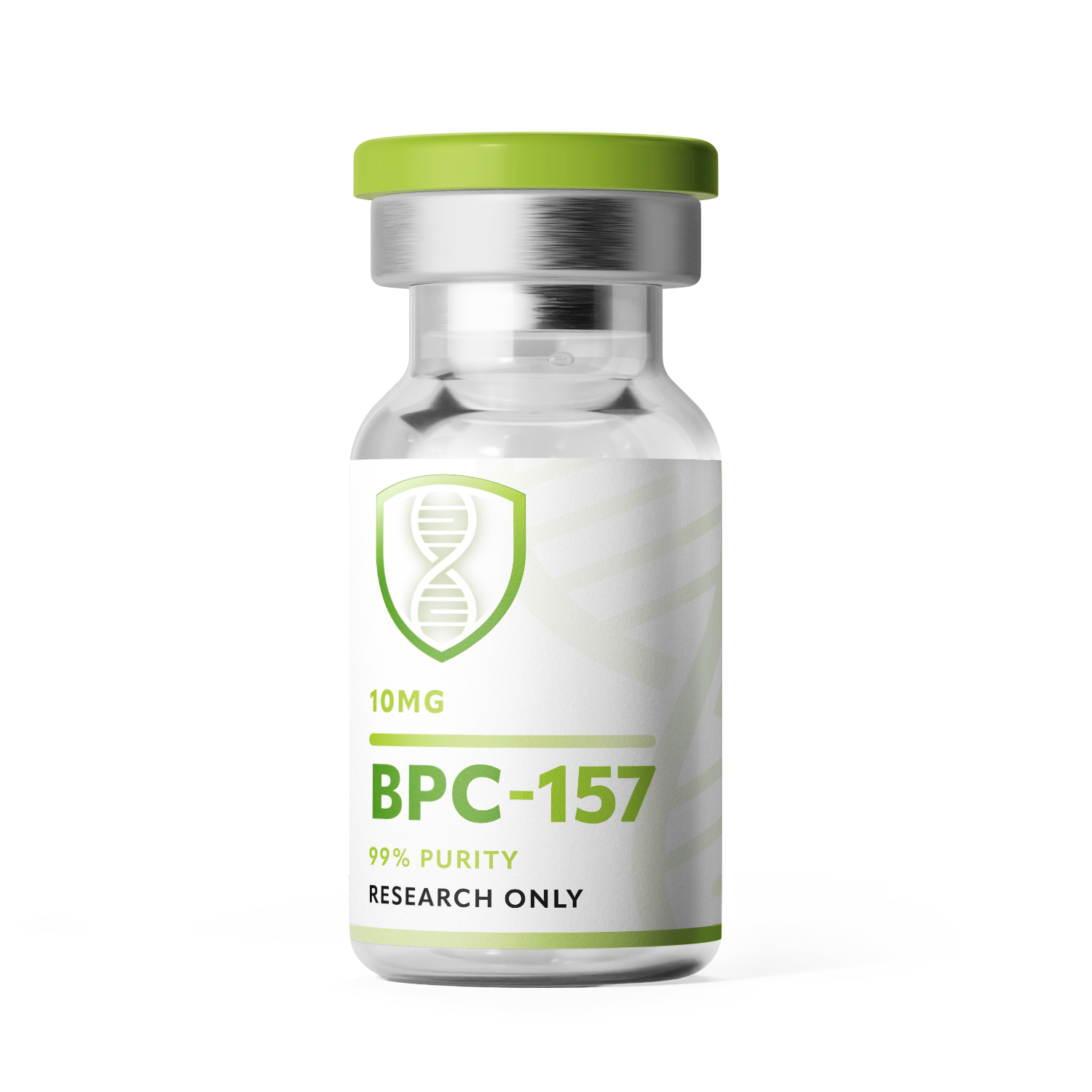
BPC-157 – 10 mg

SKU 10 Category Tag

$99.99

⁠BPC-157 – 5 mg

Category Tag

$59.49

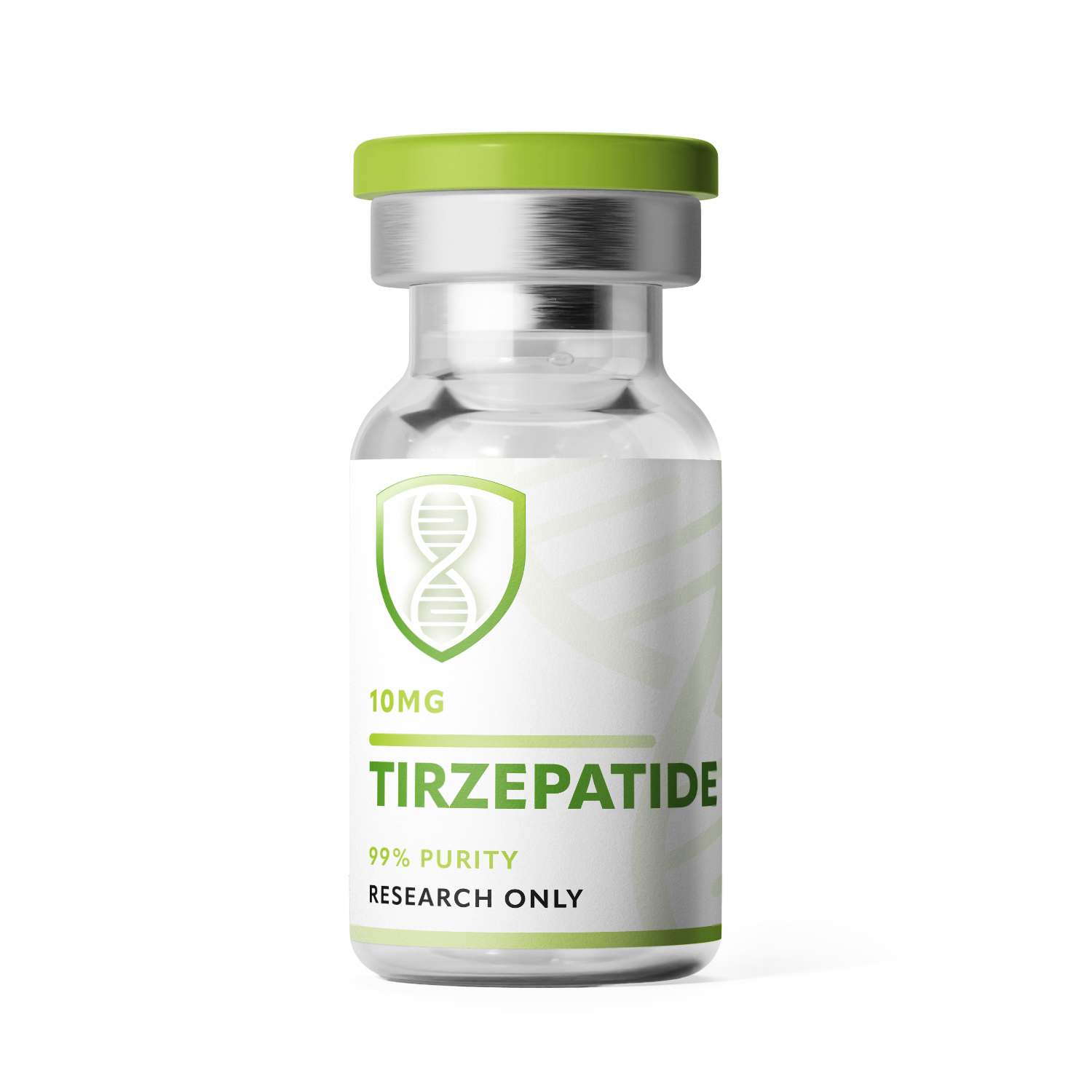
Tirzepatide (GLP-2) – 15 mg

Category Tag

$349.99

⁠Tirzepatide (GLP-2) – 10 mg

Category Tag

$279.99

Tirzepatide (GLP-2) – 5 mg

Category Tag

$159.99

Blend BPC157 5mg+TB500 5mg

Category Tag

$190.99

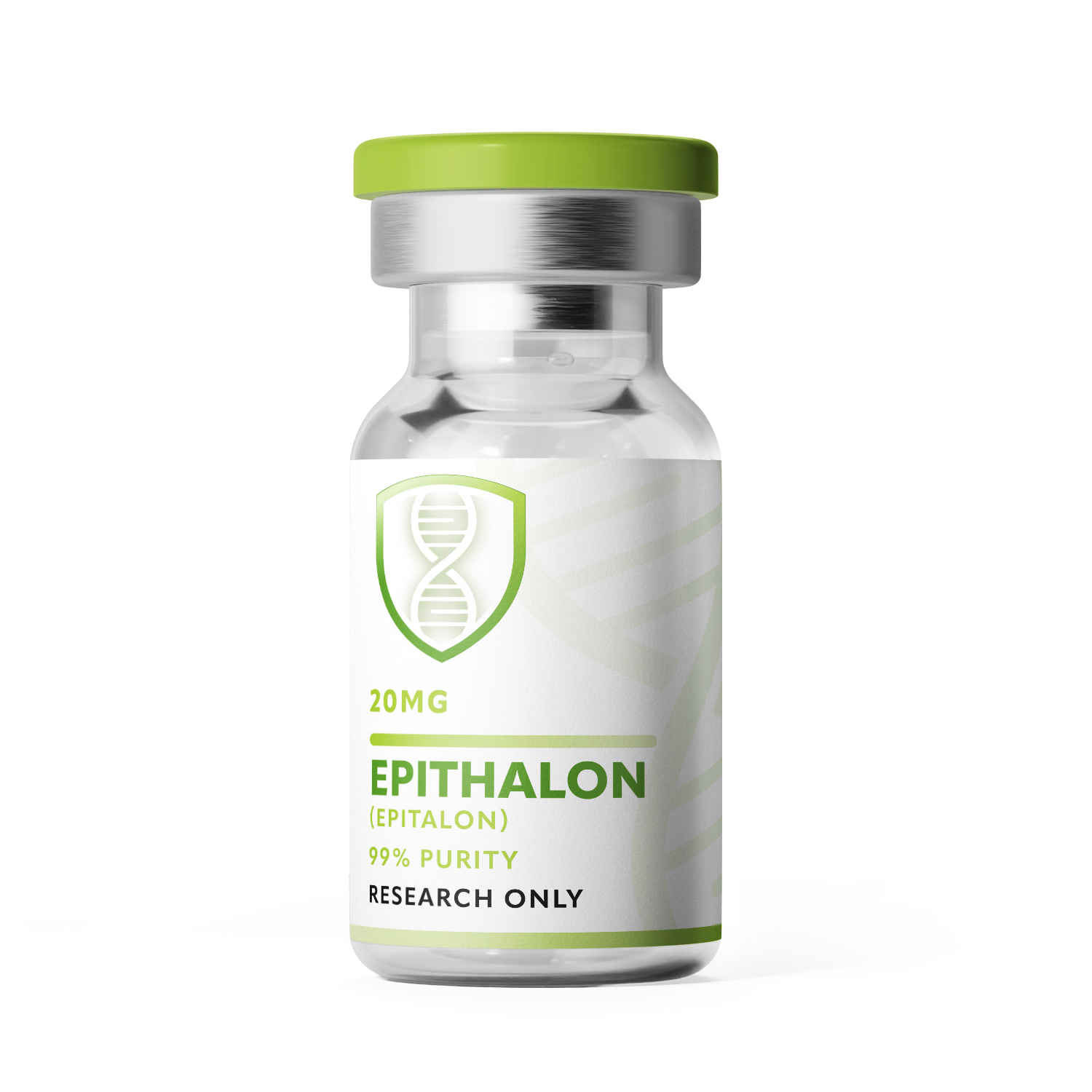
Epithalon (Epitalon) – 20mg

$94.99

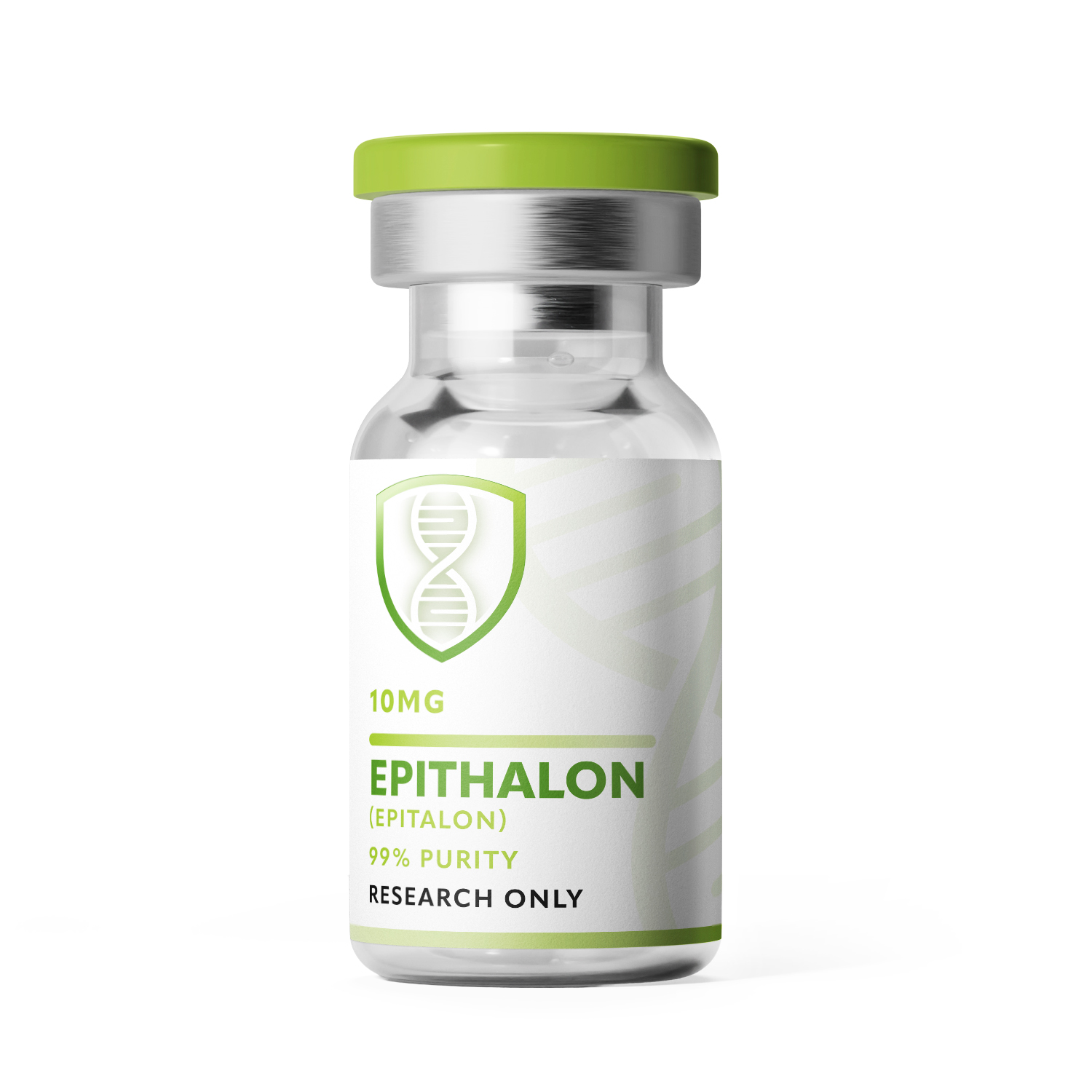
Epithalon (Epitalon) 5mg

$54.99

Glutathione (10ML) – 500mg

Category Tag

$54.99

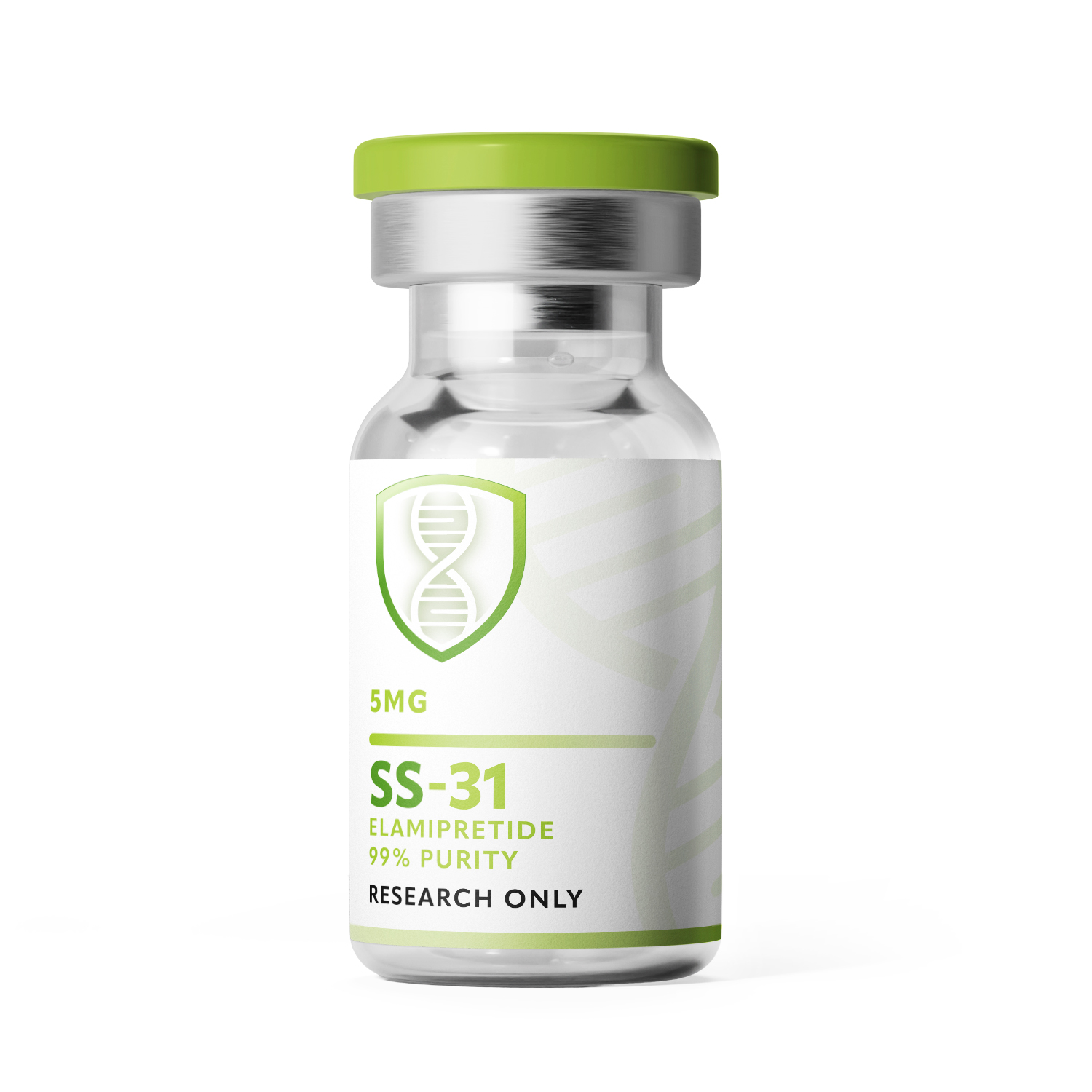
SS-31/Elamipretide 5mg

Category Tag

$74.99

MOTS-C (Human) 10 mg

Category Tag

$64.99

Tesamorelin – 10mg

Category Tag

$88.99